
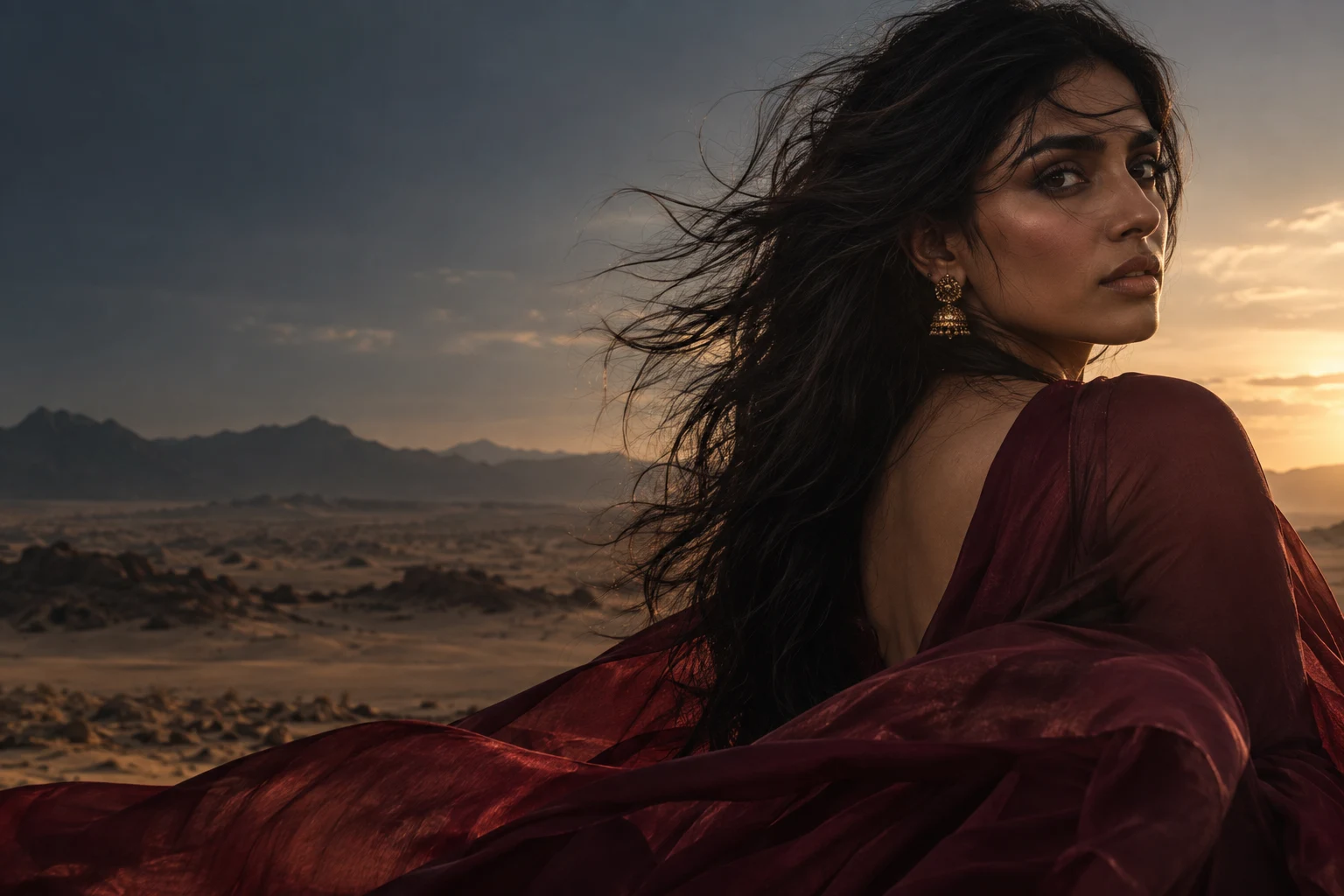
A desert fashion campaign needs a clear relationship between the collection and the landscape, supported by a practical plan for access, light, wardrobe and crew welfare. Choose the essential looks first, scout the exact working area and build the schedule around the conditions each image needs.
Let the collection lead the landscape.
The desert gives a frame scale, texture and negative space. Those qualities can support a fashion story, but they can also overpower it. Begin with the clothes: the silhouette, the fabric, the colour and the attitude of the collection. Decide what the setting should reveal about them.
A sculptural garment may need a simple horizon and a precise pose. A lightweight fabric might invite movement. A detailed accessory may need a tighter, more controlled frame. Build the moodboard around those differences so the campaign has a visual rhythm. Repeating the same wide dune shot for every look rarely gives a collection enough range.
Find a place the whole production can use.
Scout the exact area rather than relying on a broad map pin. Check the walking distance from the accessible drop-off point, the condition of the ground and where the crew can establish a base. The best-looking ridge is not necessarily the best place for repeated wardrobe changes and equipment moves.
Plan transport with people who understand the terrain and confirm permitted access with the relevant location contact and authorities. Keep vehicles and foot traffic away from the background you intend to photograph. A clean foreground can be changed by a single equipment run, so establish a working route before the first setup.
Test what the clothes will do.
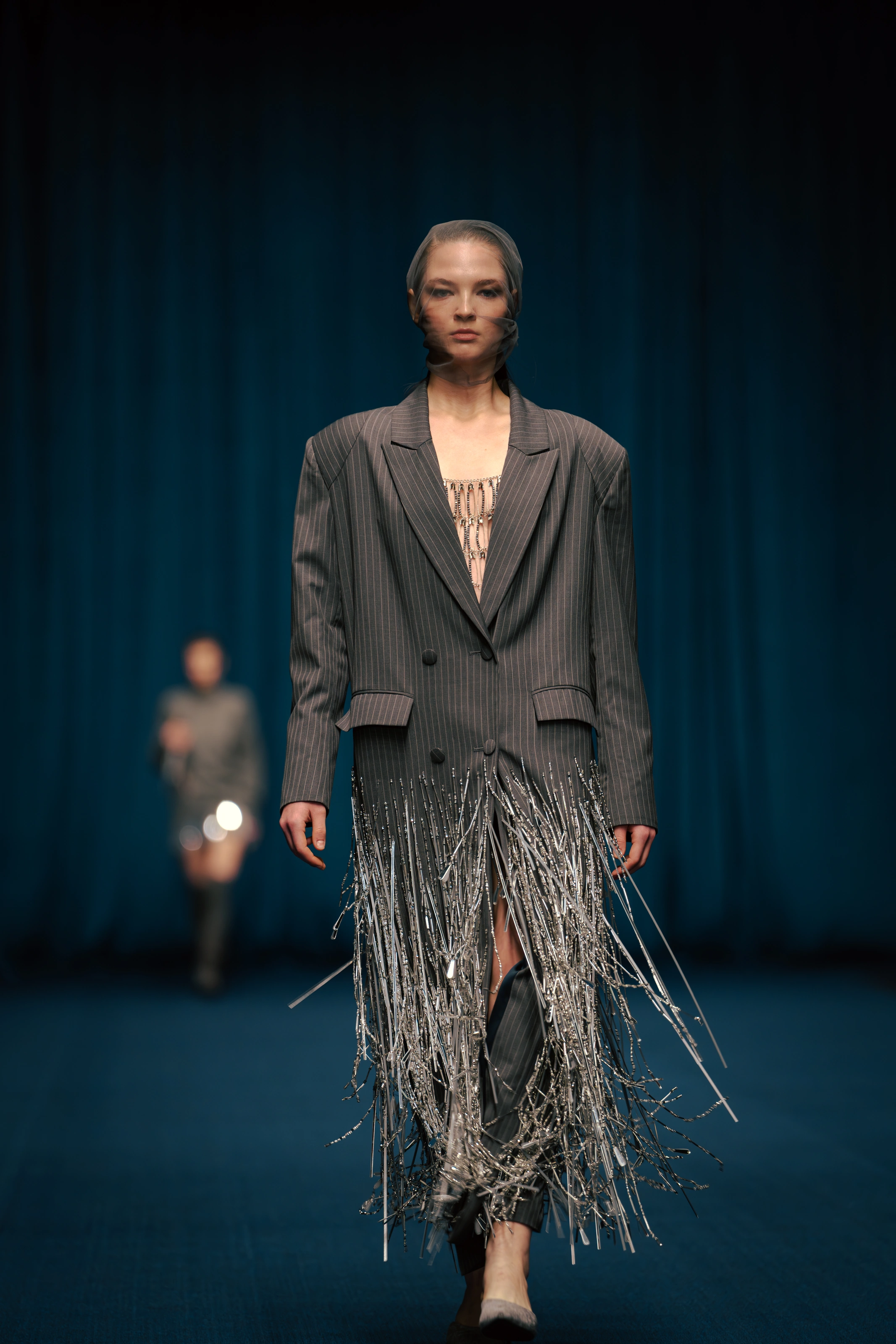
Wind can give fabric a beautiful shape, but it can also hide the cut, disturb hair and make continuity difficult. Test key garments in movement during preparation. Work with the stylist to identify which looks need controlled poses and which can tolerate a less predictable silhouette.
Pack and organise garments by the shooting order, with appropriate protection and a clean changing area. Decide how shoes, hems and accessories will be handled between setups. Bring suitable backup pieces where the brief allows. The aim is to protect both the samples and the visual consistency of the collection throughout the day.
- Agree the hero look and the frames it must deliver.
- Plan full-length, medium and detail compositions before adding variations.
- Allow time for hair, makeup and wardrobe resets between locations.
- Keep reference images available to check styling and continuity.
Build the day around actual conditions.
Check the UAE National Center of Meteorology’s forecasts and warnings during planning and again close to the shoot. Use the conditions at the intended location to review the schedule with the production team. A sunset reference is a creative direction, not a guarantee that the weather will provide the same light.
Arrange shade, drinking water, rest breaks and a practical place for talent preparation. Assign responsibility for monitoring conditions and deciding when work must pause or move. Equipment protection and a clear communication plan matter too. These arrangements should be settled before departure rather than improvised when the crew is already spread across the location.
UAE National Center of Meteorology: forecasts and warnings ↗
Give the best light to the most important frame.
Work backwards from the image that matters most. If it requires low sunlight on a particular slope, schedule travel, preparation and rehearsal before that window. Use earlier time for frames that do not depend on the same light. Keep the number of location moves realistic, especially when each move means carrying equipment across sand.
If photography and film share the day, agree who works first at each setup and how long each format needs. Leave time for a clean take of the garment in motion as well as the still image. A concise, prioritised shot list gives the team more freedom than a long list that assumes the light will wait.
Carry the intention into the final edit.
Review selects for garment shape and product visibility alongside atmosphere. A dramatic frame is not automatically the right campaign image if it obscures what the brand needs to show. Keep colour decisions consistent, and agree how fabric colour should be represented across the final stills and film.
Before approving delivery, check the required crops and text space against the actual placements. A spacious landscape composition may need a dedicated vertical companion. At Kiqa, creative direction and production planning connect these decisions from the first reference to the final files, so the setting serves the collection at every stage.