
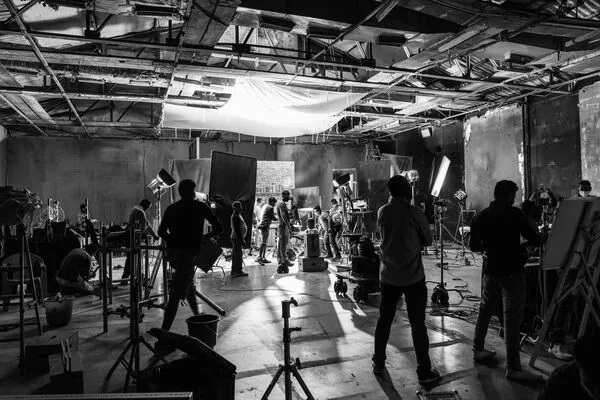
A commercial shoot in Dubai brings together a clear brief, creative direction, a scoped budget, crew and talent, location arrangements, a shooting schedule and post-production. The right plan starts with the campaign’s required deliverables and works backwards to the people, time and decisions needed to make them.
Define what the campaign needs to do.
Before discussing cameras or locations, agree the commercial objective. A launch film introducing an unfamiliar product has a different job from a set of photographs refreshing an established brand’s website. Identify the audience, the message and the action the work should support. These decisions give everyone a common basis for judging ideas.
List the final placements and deliverables. Include the main film, shorter edits, still images, aspect ratios, language versions and any space needed for copy. Separate essentials from additions. A clear deliverables list helps the producer estimate the work and prevents a small-sounding request late in the process from becoming an unplanned second shoot.
Turn the idea into a producible treatment.
The creative treatment describes how the work will look, move and feel. It may include references, a script, a storyboard or a sequence of key frames. It should explain how the proposed direction communicates the brand’s message, rather than simply collect attractive imagery.
Build the estimate around that treatment. Crew, talent, locations, equipment, styling, set requirements, transport and post-production all depend on the scope. Discuss usage and licensing needs early, including talent and music where relevant. There is no useful universal price for a commercial shoot without those details. Ask for an estimate that makes its assumptions and exclusions visible.

Resolve the moving parts before the shoot.
Pre-production brings the creative plan into contact with practical reality. Confirm casting, wardrobe, props, product availability and location suitability. Check that the hero product is the correct version and that any packaging shown on camera is ready. Small discrepancies are much easier to resolve at this stage than in a finished edit.
For Dubai locations, check the applicable filming arrangements with the Dubai Film and TV Commission and the location contact. Its permit terms specify authorised locations and working dates and times. Make sure the production plan matches what has been confirmed, and revisit the arrangements if the scope changes.
Dubai Film and TV Commission: permit terms ↗
- Approve the treatment, shot list and essential product details.
- Confirm crew, talent, locations and the people responsible for access.
- Agree the review process, delivery scope and campaign usage.
- Prepare a call sheet with timings, contacts and practical instructions.
Make decisions visible on the day.
The schedule needs space for setup, rehearsals, takes, resets and review. It should identify the shots that must be completed and the options that can follow if time allows. Where stills and motion share a setup, allocate time to both instead of expecting one team to work in the gaps left by the other.
Name the client representative who can approve the important details on set. Review framing, product presentation and performance while changes are still possible. Keep feedback consolidated and tied to the agreed brief. A clear decision at the monitor can save several rounds of avoidable discussion later, especially when multiple stakeholders are involved.
Plan the edit before the files arrive.
Post-production is part of the campaign plan from the beginning. Agree how stills will be selected and retouched, how the film will be reviewed, and whether the scope includes sound design, colour grading, graphics or subtitles. Give reviewers a clear way to identify the frame or timecode they are discussing.
Set review milestones and define what each one is approving. Structural feedback belongs early in the edit, before detailed finishing. A request to change the story after colour and sound are complete has different implications from a small correction to a caption. The schedule should reflect that sequence and include time for agreed revisions.
Deliver a campaign the team can actually use.
Final delivery should be organised around the agreed destinations. Label versions clearly and check dimensions, duration, spelling, sound and image quality before handing over the files. Keep a record of which assets are approved and the agreed usage, so the marketing team can identify the correct material without searching through working versions.
To start a conversation with Kiqa, send the objective, deliverables, target dates, budget range and any existing references. Tell us what is already arranged and what needs support. That gives the team enough context to propose a sensible production route and identify the decisions that need to happen next.