
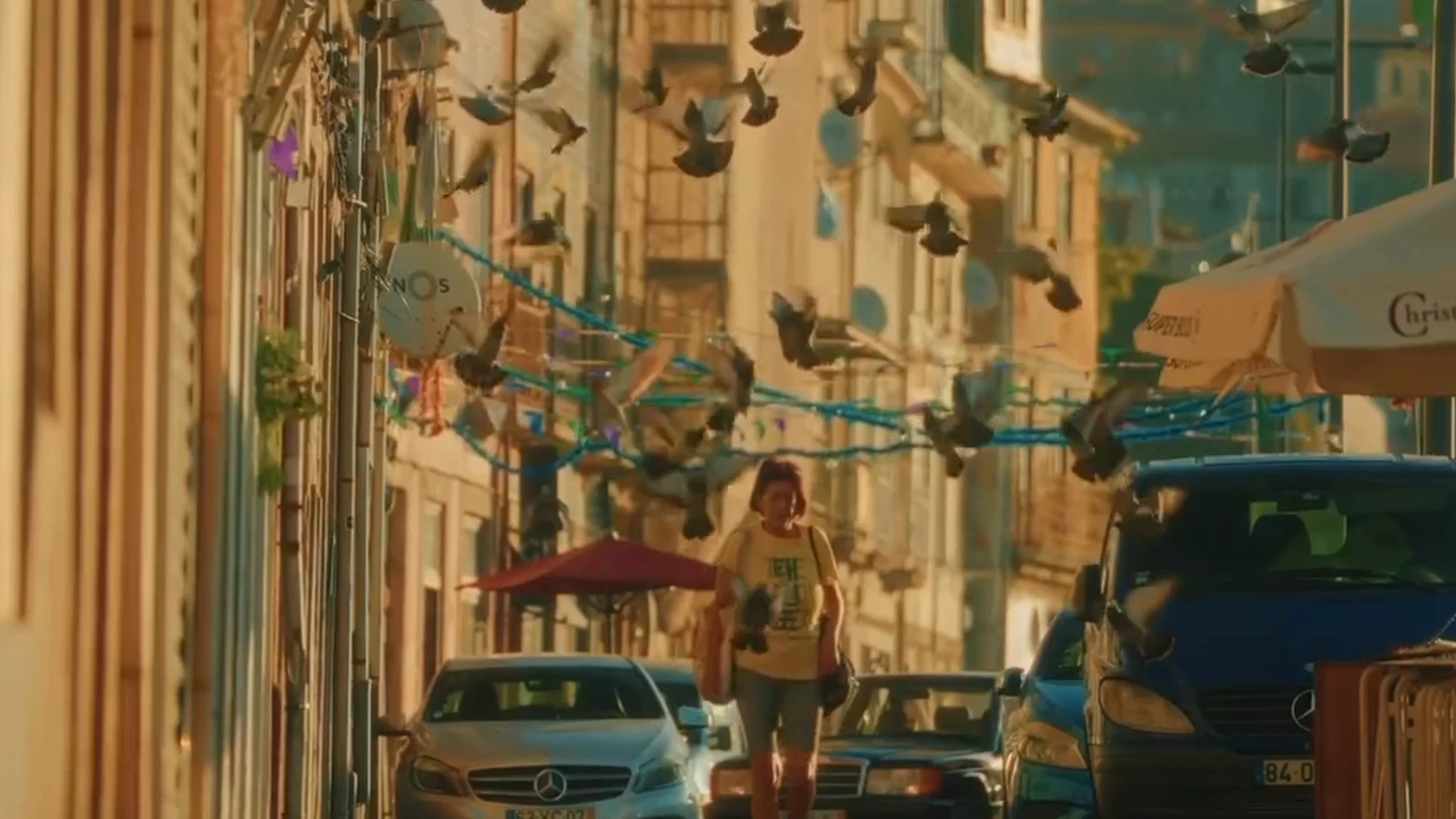
Photography and film can share a production when the brief, lighting, schedule and deliverables are planned together. Give each format dedicated time, identify shared setups and agree which moments need stills, motion or both. The goal is a coherent campaign with enough room for each discipline to do its job.
Build a shot list with three columns.
Mark each planned setup as stills, motion or shared. For a product launch, a clean product frame might belong to photography, a movement sequence to film, and a talent-led scene to both. This makes priorities visible before the crew arrives.
A shared setup still needs a plan. Decide which team shoots first, how the lighting may change and whether the action needs to be repeated. Do not assume the film camera can simply keep rolling while the photographer works.
- Stills: the hero image, key product details and required portrait or landscape crops.
- Motion: the opening, actions, transitions and ending the edit needs.
- Shared: the settings, props, styling and performances both formats can use.
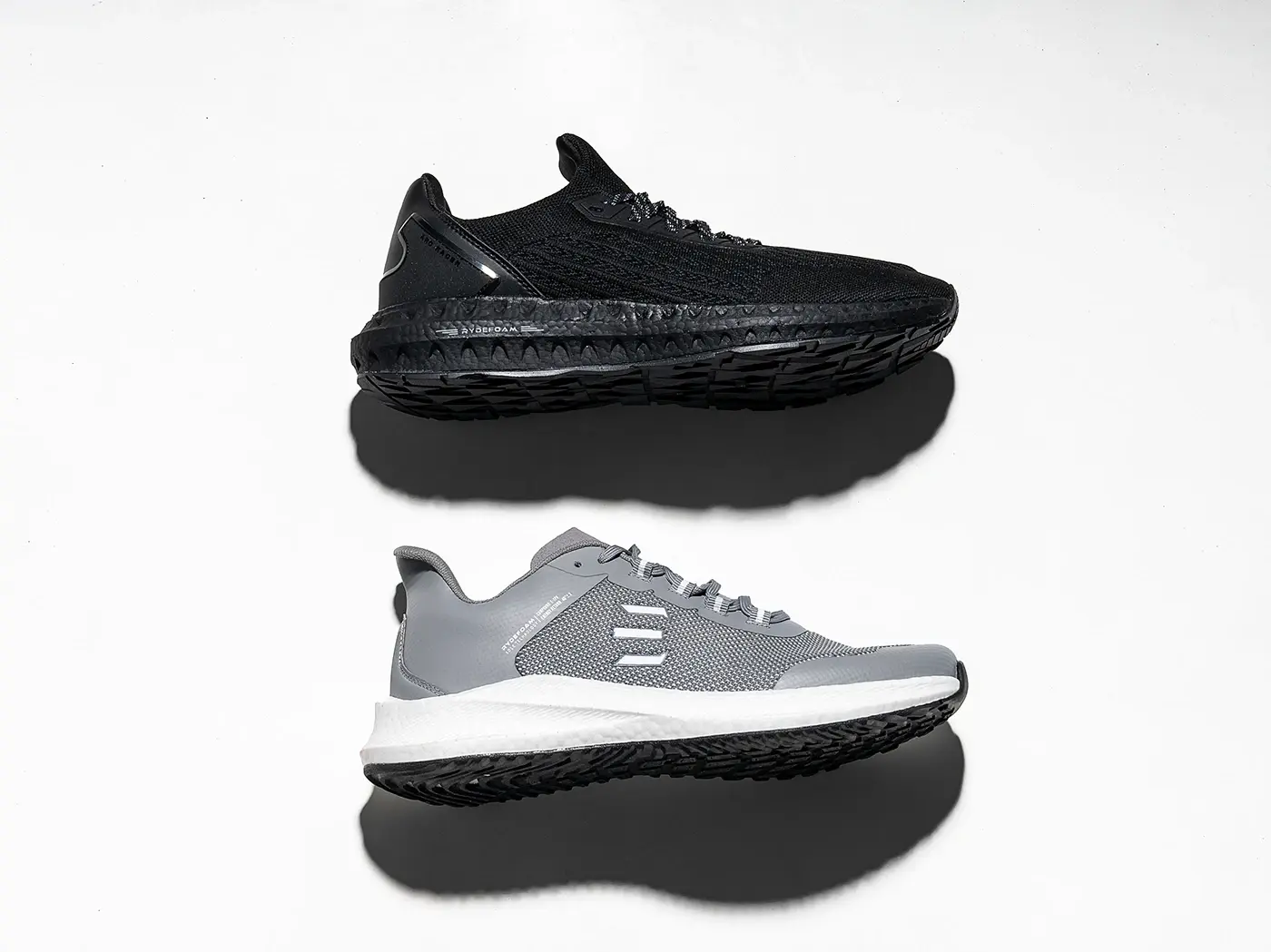
Protect time for the differences.
Photography can build an image around a fraction of a second. Film needs a usable sequence, with time before and after the action. That difference affects direction, repetition and the pace of the day.
Discuss lighting with both disciplines during preparation. A setup that works for still photography may need adjustment for continuous movement. If sound matters, schedule a quiet window and make sure dialogue or location sound has a clear place in the plan.
The same applies to talent. Allow time for resets, changes of styling and different kinds of performance. A timetable that depends on every first take working leaves little room for creative decisions.
Frame for the places the work will appear.
Agree the intended formats before the shoot. A composition that feels spacious in a horizontal website banner may become cramped when cropped into a vertical reel. The safest approach is to plan key compositions for their actual destinations.
Identify where text, subtitles or interface elements will sit. Capture clean variations when needed. If both a main film and short social edits are required, note the moments that can open and close those shorter versions. These decisions belong in the shot list, not only in the edit.
Keep the conversation going into the edit.
Select stills and review the film against the same creative direction. Colour and contrast should feel related, while respecting the differences between a single photograph and a moving sequence.
Agree who reviews the work, how feedback is collected and which exports are needed. An organised delivery includes clearly named files and the versions agreed in the brief. It makes the work easier to use across a website, campaign and social channels.
When should the shoots be separate?
A combined shoot is not automatically the right answer. Complex lighting, detailed product work, demanding performances or a film built around recorded dialogue may need dedicated production time. The decision should follow the work and its priorities.
Start by sharing both sets of deliverables with the production team. Kiqa’s photography, production and post-production services can be planned together so that the schedule reflects what the story actually needs.